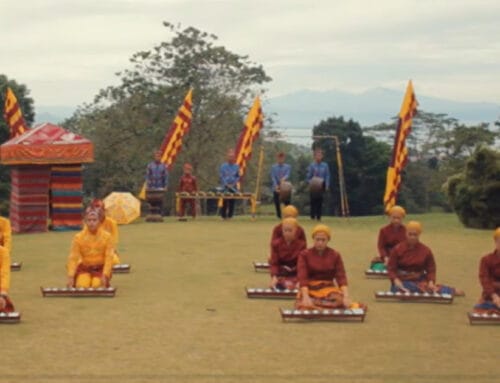
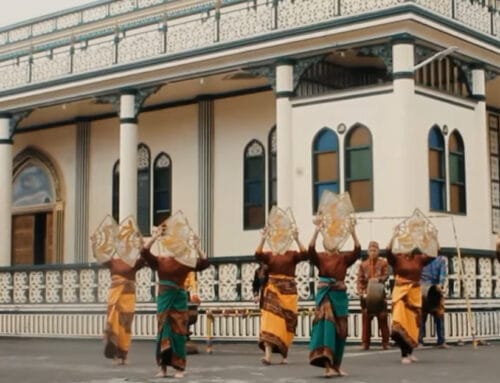
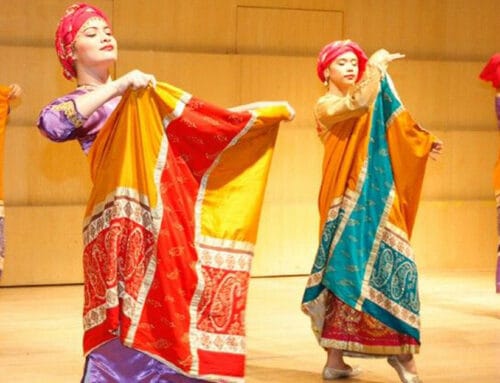
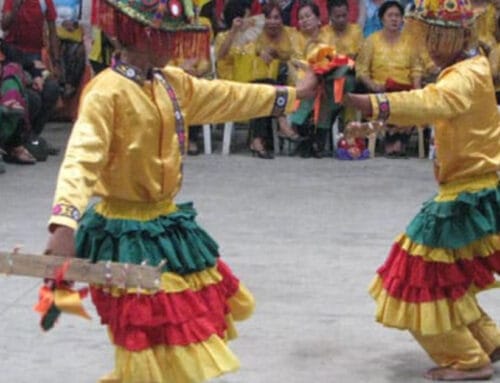
Music is at the heart of Maranao celebrations. Whether it is a wedding, a feast, a homecoming, or a community event, the sound of the kulintang ensemble signals joy, honor, and the gathering of people. More than entertainment, Maranao music is a social language—a way of showing respect, strengthening ties, and marking important moments.
In weddings, the kulintang ensemble plays throughout the celebration, creating an atmosphere of grace and festivity. The rhythmic pulse of the dabakan and babandil sets the tempo, while the agong and gandingan add depth and expressive color. The music invites guests to feel the spirit of the occasion—celebrating the union not only of two individuals, but of families and communities.
During feasts or kandori, music serves as a welcoming gesture. The host family often invites musicians to play as guests arrive, signaling hospitality and gratitude. The sound of the ensemble expresses abundance and blessing, turning an ordinary meal into a shared cultural experience.
Maranao music is also present in rites of passage, village gatherings, and special community events. The instruments act as sonic markers, announcing that something meaningful is taking place. Even when no formal ceremony is involved, music draws people together—children, elders, and visitors all gathering to listen, watch, and feel part of the moment.
Above all, music reinforces the value of connection. In every Maranao celebration, rhythm and melody reflect cooperation among musicians and harmony within the community. Each instrument plays a role, each beat holds purpose, and together they create an atmosphere that feels both familiar and uplifting. The ensemble becomes a living reminder of heritage—carrying forward traditions that have shaped Maranao identity for generations.
Today, even in modern settings, the presence of kulintang music continues to signal pride, unity, and cultural continuity. Whether performed onstage, at home, or in a public plaza, its sound remains the heartbeat of Maranao celebration.