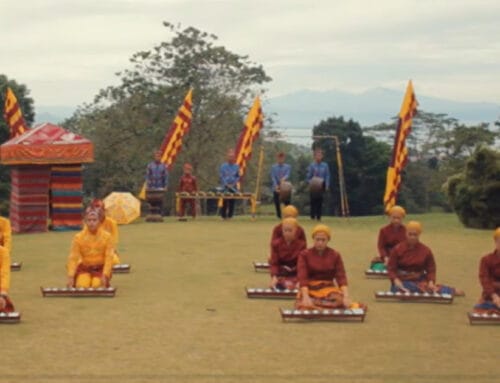
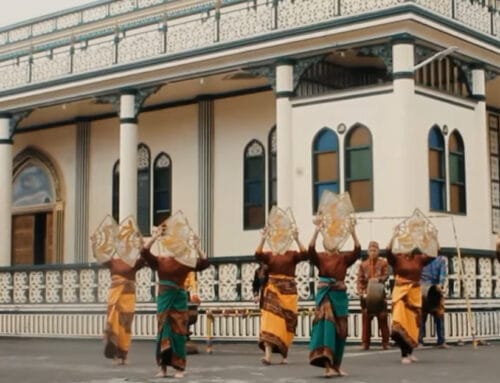
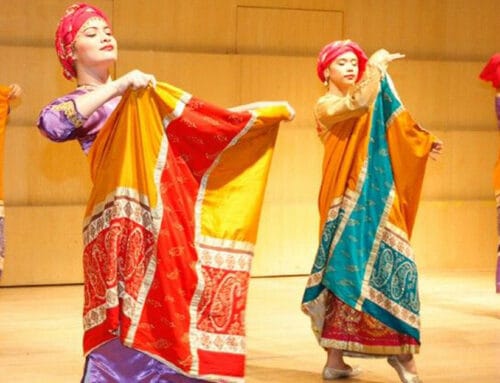
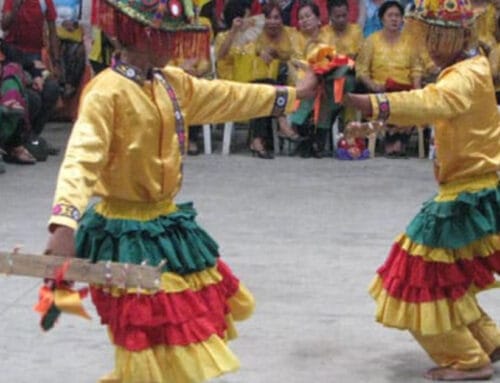
In every kulintang performance, the melodies may shine brightly, but it is the rhythm that gives the music its life and momentum. This rhythm is carried by two essential instruments: the dabakan and the babandil. Though often overshadowed by the melodic gongs, these instruments form the unshakeable foundation of Maranao musical expression.
 The dabakan, a goblet-shaped drum made traditionally from hardwood and covered with goat or carabao skin, serves as the primary timekeeper. Played with a pair of bamboo sticks, its sharp, precise beats guide the pacing of the ensemble. The drummer controls the tempo—speeding up during festive sections or slowing down during more solemn rhythms. In many performances, the dabakan player acts like a conductor, setting the energy and pulse that the entire group follows.
Crafting the dabakan requires both artistry and technical knowledge. The drum body is carved with graceful curves, sometimes enhanced with okir motifs. The drumhead is stretched tightly to produce the correct tone—neither too dull nor too sharp. When struck, the sound cuts through the music with clarity, signaling transitions and anchoring the performance.
Beside the dabakan stands the babandil, a small, thick-rimmed gong that produces a muted, metallic “clank.” While less prominent in volume, its role is indispensable. The babandil marks the steady, unwavering beat, acting as the ensemble’s metronome. It creates a rhythmic grid that keeps musicians synchronized, especially in complex or fast-paced pieces.
Traditionally, the babandil was considered the simplest instrument to play, often assigned to beginners. Yet its importance is profound; a steady babandil ensures the entire kulintang ensemble remains cohesive. Without it, the performance risks drifting in tempo or losing rhythmic discipline.
Together, the dabakan and babandil embody the heartbeat and skeleton of Maranao music. They balance each other—the babandil steady and composed, the dabakan dynamic and expressive. Their interplay represents the Maranao sense of musical order: structure supporting creativity, discipline enhancing beauty.
In gatherings, weddings, and community celebrations, these rhythm instruments give life to the festive atmosphere. Even as melodies flow freely across the kulintang and gongs, it is the dabakan and babandil that keep everyone grounded, unified, and in harmony.
Today, young performers continue to learn both instruments, preserving not only their rhythms but also the cultural values they carry—cooperation, timing, balance, and respect for tradition. As long as the dabakan beats and the babandil holds steady, the musical spirit of the Maranao people will continue to flourish.