Let’s talk about something truly beautiful and deeply rooted in our heritage—the Darangen. If you’ve ever heard this word and wondered what it’s all about, you’re in for a treat. The Darangen isn’t just a story—it’s an epic, a song, a dance, and a heartbeat of the Maranao people from around Lake Lanao in Mindanao.
Picture this: long ago, before smartphones and social media, our ancestors gathered around, listening to skilled chanters recite tales of brave warriors, noble families, and magical kingdoms. These weren’t just bedtime stories. They were lessons in honor (maratabat), tradition (adat), and love. The most famous hero? Prince Bantugan—handsome, courageous, and loyal. His adventures in the Kingdom of Bembaran are legendary.
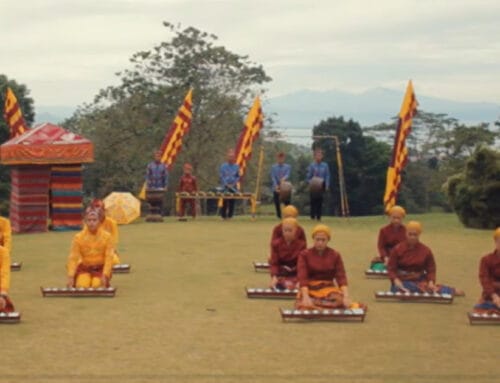
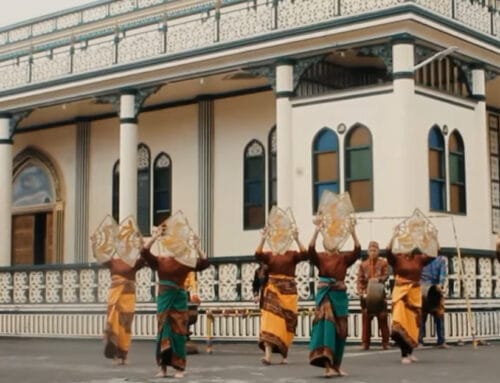
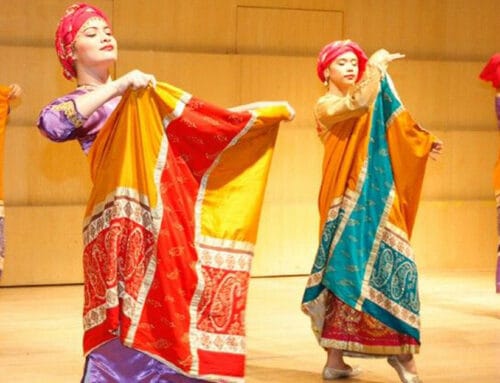
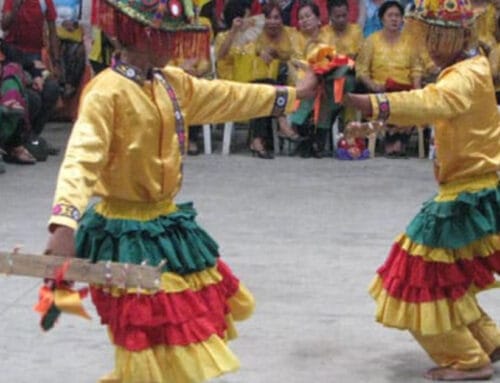
What makes the Darangen so special is how it’s performed. It’s not just read—it’s sung, chanted, and danced to the rhythm of the kulintang, a traditional gong ensemble. The language used is old-school Maranao, rich and poetic, and honestly, it takes years to master. But when you hear it, it’s like stepping into another world—one where every word carries the weight of history and pride.
Even cooler? The Darangen was recognized by UNESCO as a Masterpiece of the Oral and Intangible Heritage of Humanity. Yup, it’s world-class. But here’s the thing: it’s also fragile. With modern life pulling us in all directions, fewer young people are learning it. That’s why elders, artists, and scholars are working hard to preserve it—writing it down, translating it, and teaching it in schools and communities.
For us Muslims in the Philippines, especially those with Maranao roots, the Darangen is more than just culture—it’s a bridge between our pre-Islamic past and our present faith. Over time, Islamic values gently wove into the epic, showing how our traditions evolved without losing their soul.
So next time you hear the soft clang of the kulintang or catch a line from the Darangen, pause for a moment. That’s the voice of Lake Lanao calling. It’s a reminder of who we are, where we come from, and the stories that shaped us.
Let’s keep it alive—not just for nostalgia, but for the pride of our people and the beauty of our legacy.