The agong, with its deep, vibrating tone, is one of the most recognizable and powerful symbols of Maranao culture. More than an instrument, it is a heartbeat—a steady pulse that ties the community to its ancestral memory. When an agong is struck, its resonance lingers in the air like a call from the past, reminding listeners of their shared identity, history, and heritage.
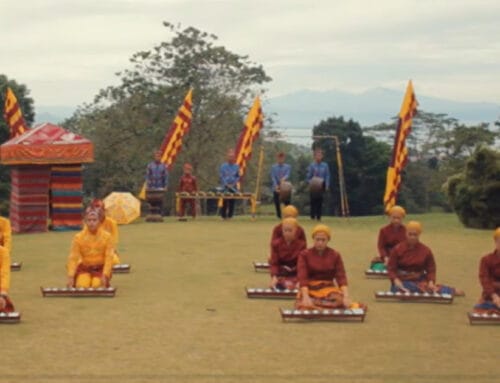
In the kulintang ensemble, the agong serves as a rhythmic anchor. Its low, thunder-like sound responds to the shimmering melodies of the kulintang, adding depth and structure to the performance. While the kulintang is the voice that sings, the agong is the ground that carries the weight of the music. Every strike reinforces the ensemble’s unity, giving performers a sense of direction and emotional momentum.
Traditionally, the Maranao agong is crafted with remarkable skill. Blacksmiths and gong-makers heat, hammer, and shape brass or bronze into a wide-faced instrument with a distinctive central knob. This knob—called the boss—is where the agong is struck to produce its full-bodied sound. The craftsmanship itself is a cultural art form, passed from master to apprentice across generations. An excellent agong is prized not just for its sound but also for its symbolism, often used in ceremonies, rituals, and prestigious events.
Beyond its musical function, the agong once held a deeper communicative and ceremonial role. In earlier times, different patterns of agong beats signaled major events: a wedding procession, a dignitary’s arrival, the start of a communal feast, or even urgent announcements. The agong’s distinctive voice carried across villages, serving both cultural and practical purposes.
In Maranao society, the agong is also associated with status and refinement. Households that owned well-crafted gongs were often families of higher standing, reflecting their wealth, artistry, and connection to community traditions. During gatherings, an agong performance was a sign of honor, signifying hospitality and respect.
Today, the agong continues to thrive, especially with the revival of traditional arts among younger Maranao performers. Schools, cultural organizations, heritage collectives, and independent artists are bringing new life to this old sound. Each beat acts as a bridge between past and present—an affirmation that Maranao culture, despite modern influences, remains rooted in its ancestral rhythm.
The agong will always be more than a gong. It is a cultural heartbeat, echoing the pride, resilience, and artistry of the Maranao people.