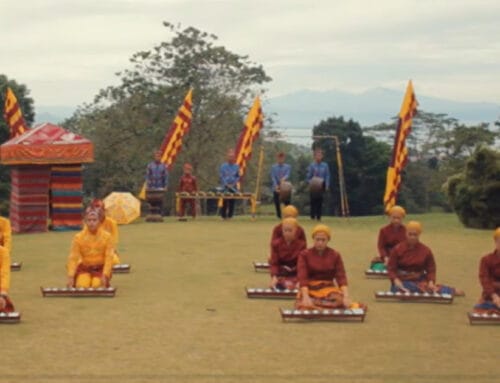
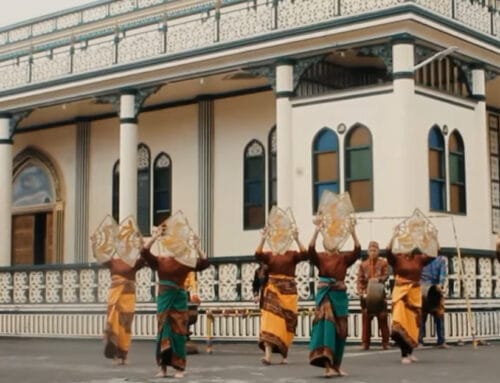
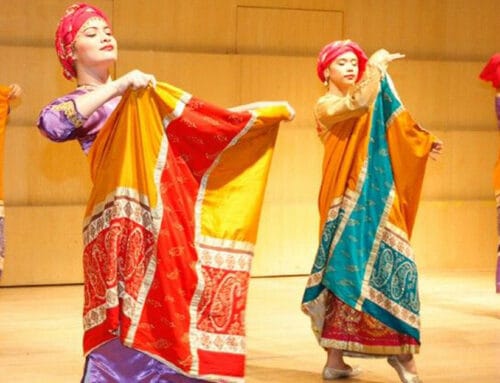
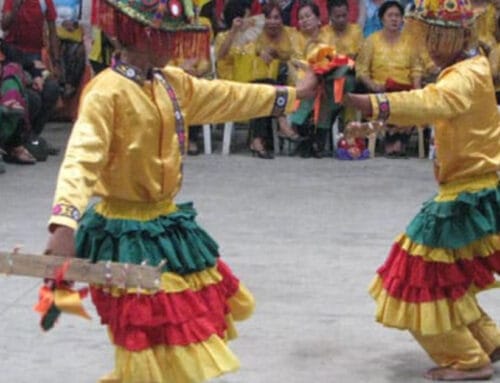
Maranao music is instantly recognizable—not only because of its instruments, but because of its distinct aesthetic spirit. Beneath the shimmering kulintang melodies and the deep resonance of gongs lies a cultural philosophy deeply rooted in the Maranao worldview. This philosophy rests on three interwoven pillars: order, flow, and balance.
These principles echo across Maranao art forms—from okir woodcarving to weaving, architecture, literature, and of course, music. Each art form reflects a cultural preference for symmetry, refinement, and patterned movement. In music, these values come alive through rhythm, repetition, contrast, and controlled variation.
Order
Maranao music begins with structure. Each musical piece follows established rhythmic patterns known to every performer in the ensemble. Though the kulintang player may improvise melodic variations, they always remain within the boundaries of recognized modes and rhythmic cycles. This sense of order preserves tradition and maintains continuity across generations. Every beat has purpose, and every variation respects the larger framework.
Flow
Once structure is established, Maranao music embraces flow—smooth transitions, graceful melodic spirals, and cascading patterns that echo the visual motifs of okir. Flow gives the music its lyricism and elegance. The kulintang leads with fluid phrases, while the gandingan and agong respond, weaving a musical conversation that moves like water across Lake Lanao. This flow represents harmony not only in music but also in life: the balance between discipline and freedom, tradition and expression.
Balance
Perhaps the most essential aesthetic is balance. Each instrument complements the others, creating unity in diversity. The agong provides depth, the gandingan adds accent, the dabakan and babandil supply rhythm, and the kulintang leads with melody. No instrument dominates; instead, each contributes to a unified whole. This mirrors Maranao social values—cooperation, respect for roles, and maintaining harmony within the community.
Together, these principles shape the character of Maranao music. A single piece may sound simple at first, but beneath the surface is an intricate system guided by centuries of cultural wisdom. Performers internalize this aesthetic early in their training, learning not only technique but also the values embedded in the music.
In today’s world, where cultural traditions face pressures from modernization and globalization, understanding the aesthetics of Maranao music provides deeper appreciation for its endurance. It is not merely entertainment—it is a living philosophy, an artistic expression of identity, and a testament to the refined artistry of the Maranao people.
The music flows. The rhythms balance. The tradition endures.