Among the Maranao people, the word Kalilang carries a meaning that goes far beyond a simple gathering or festivity. It refers to a community celebration—a joyful expression of unity, gratitude, and cultural pride. Kalilang can take many forms: a village-wide festival, a family celebration, a royal welcome, or even a ceremonial event that brings together different sectors of the community. Regardless of its scale or purpose, the heart of Kalilang is always the same: it is a collective affirmation of identity and belonging.
At its core, Kalilang is an opportunity for the community to pause, gather, and reconnect. In the past, such celebrations were important markers of social harmony. When a royal leader, dignitary, or esteemed guest arrived, a Kalilang would be held to honor their presence. Families also organized Kalilang during significant life events—weddings, returns from pilgrimage, thanksgiving ceremonies, or even traditional settlements of disputes. Each gathering allowed people to strengthen relationships, share blessings, and celebrate the continuity of Maranao life.
Music plays a major role in defining the spirit of Kalilang. The kulintang ensemble sets the atmosphere, filling the air with lively rhythms that signal celebration and joy. The interplay of the kulintang, agong, gandingan, dabakan, and babandil creates an environment where people naturally come together. The music is not merely an accompaniment; it is a cultural heartbeat that invites participation, dance, and social bonding. For the Maranao, the sound of the kulintang during a Kalilang is like a call to community—an invitation to join in unity and festivity.
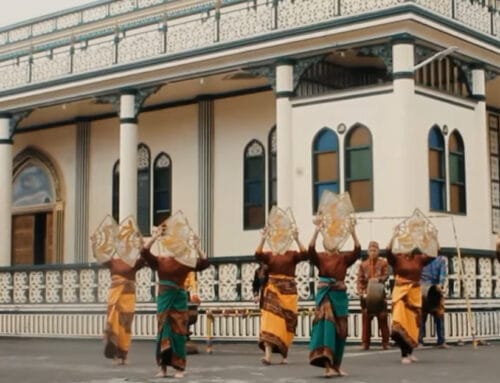
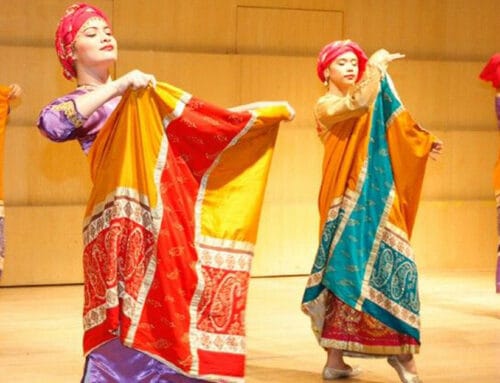
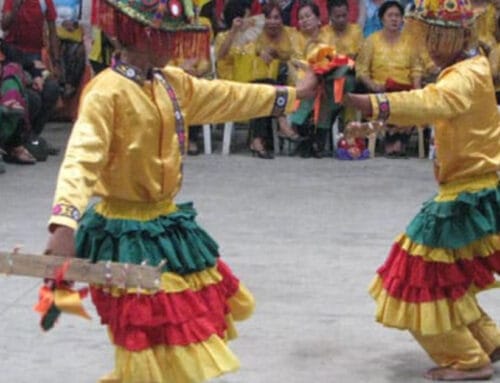
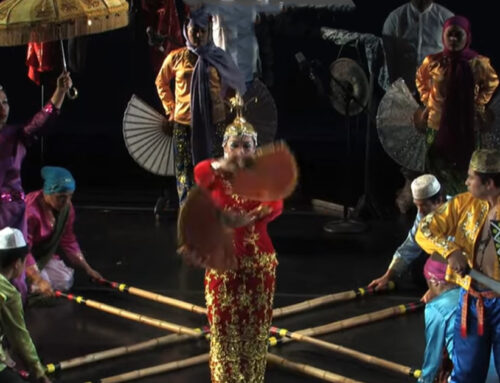
Alongside the music, Kalilang often features a variety of traditional dances. Performers may present Singkil, showcasing elegance and epic storytelling; Sagayan, demonstrating warrior spirit and protection; Kapamalong, highlighting the beauty of the malong; or Kapagapir, with its refined fan movements. These dances not only entertain but also educate younger generations about the values, aesthetics, and narratives woven into Maranao culture. Through performance, the community preserves its stories and shares its heritage with guests and visitors.
The food served during Kalilang is equally significant. Traditional Maranao dishes—piaparan, rendang, dodul, bakas, and tiyula itum—are prepared with care and generosity. Sharing food is a symbolic act of hospitality and kinship. Every dish reflects the rich culinary heritage of Lanao, connecting the celebration to ancestral practices and family traditions. Food strengthens not only bodies but also relationships.
Kalilang is also a moment to display traditional attire, most notably the malong a landap, royal garments, and jewelry that reflect status and identity. These garments express pride in one’s lineage and cultural roots. Their vibrant colors and intricate patterns enhance the visual richness of the celebration.
In modern times, Kalilang continues to evolve. Cities like Marawi celebrate Kalilang as cultural festivals featuring parades, performances, culinary fairs, and exhibitions. These events foster unity across diverse communities and promote appreciation for Maranao heritage. Educational institutions, local governments, and cultural groups work together to keep traditions alive, ensuring that the next generation grows up with a strong sense of cultural grounding.
Yet despite the changes in form and scale, Kalilang’s essence remains unchanged. It is a space where the community comes together in harmony, gratitude, and pride. Whether held in a rural barangay or on a grand stage, Kalilang is a reminder that celebration is not only about festivity—it is about remembering who we are, honoring where we come from, and strengthening the bonds that hold the Maranao community together.
A YouTube video embedded here can bring Kalilang to life, allowing viewers to experience the music, dance, and vibrant atmosphere that define this cherished tradition.