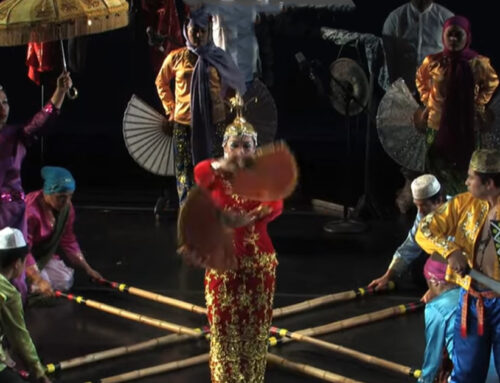
Kapagapir is one of the most graceful and refined Maranao cultural dances. Performed traditionally by noble Maranao women, it highlights elegance, poise, and the subtle art of handling embroidered hand-held fans called “apir.” The dance portrays femininity and dignity, reflecting centuries of cultural tradition and aristocratic values.
The performers move in slow, flowing sequences, each gesture intentional and controlled. The fans open and close with soft precision, creating gentle waves of movement that complement the dancers’ serene expressions. The choreography emphasizes lightness—almost as if the dancers are gliding—symbolizing modesty, refinement, and inner strength.
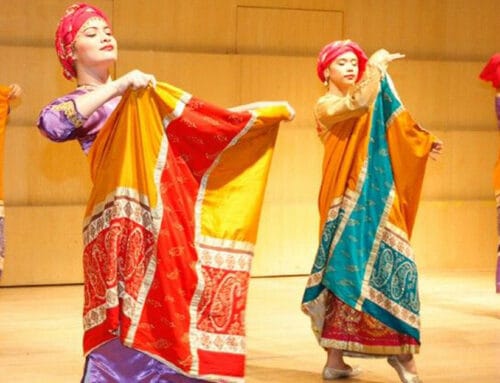
The attire worn in Kapagapir is just as symbolic. Dancers often wear malong a landap, woven with rich colors and exquisite okir patterns associated with Maranao royalty. The combination of fans, textiles, and jewelry creates a visual harmony that mirrors the aesthetic principles found in Maranao art and music.
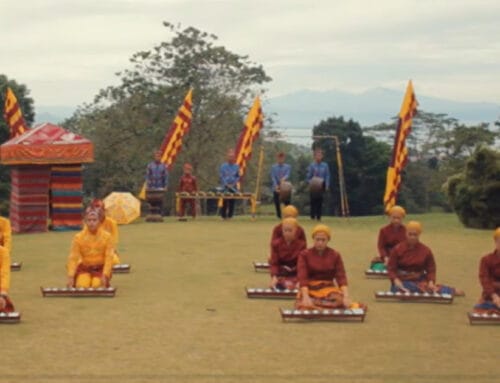
Musically, Kapagapir is accompanied by slow-to-moderate kulintang rhythms. The music sets a peaceful atmosphere, enhancing the subtlety of the fan movements. Unlike Sagayan, which is dynamic and forceful, Kapagapir is introspective—a dance of quiet elegance.
Historically, Kapagapir was performed during ceremonies that honored visiting dignitaries or royal guests. It was a way of expressing respect and showcasing the cultural sophistication of the Maranao community. Even today, the dance remains a symbol of heritage pride, performed in schools, cultural festivals, and heritage presentations.
Embedding a YouTube performance here will allow viewers to see how fan movements, clothing, and music come together to form this beautiful expression of Maranao identity.