Sagayan is one of the most powerful and visually striking Maranao cultural performances. Unlike the graceful feminine energy of Singkil, Sagayan represents courage, protection, and the ancestral warrior spirit. Performed traditionally by men, it features dynamic movements, loud rhythmic stomps, and dramatic gestures symbolizing readiness to defend the community.
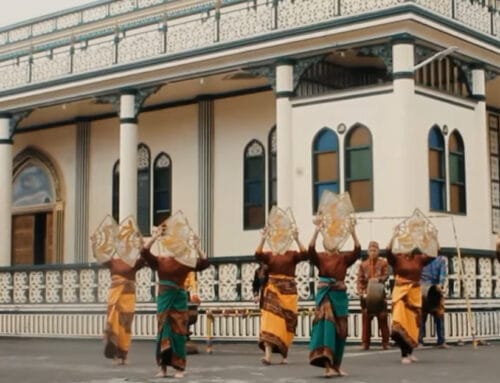
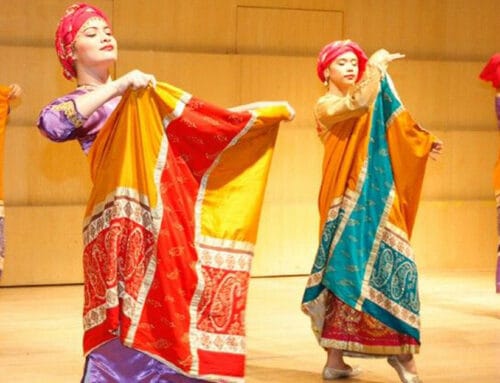
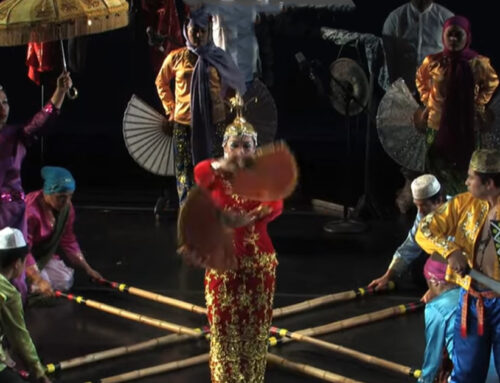
The dancer, often called the Magani, dons colorful garments inspired by ancient Maranao warriors. The attire includes a shield (kalasag), a sword (kampilan), feathered headdresses, and layered textiles that move vibrantly with each step. The costume alone reflects strength and status, echoing Maranao epics and warrior traditions.
Sagayan is more than a dance—it is a ritual of protection. Historically, it was performed before battles, during important gatherings, or in ceremonies to ward off negative forces. In some traditions, the dance invites ancestral spirits to guide and bless the community. The intense, circular movements and sudden strikes are symbolic gestures of cleansing, courage, and spiritual readiness.
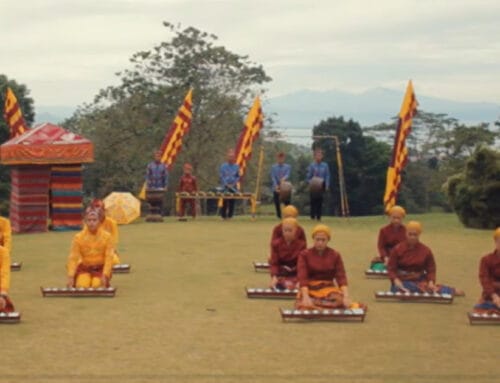
The music accompanying Sagayan is equally powerful. The kulintang ensemble plays fast, energetic rhythms, led by the sharp beats of the dabakan and the commanding pulse of the agong. The tempo drives the dancer’s movements, creating an atmosphere of urgency and valor.
Today, Sagayan is performed in cultural festivals, school programs, and heritage showcases. It continues to inspire pride among the Maranao people, reminding audiences of a time when bravery and spiritual strength were essential to community life. Though its context has shifted from battlefield ritual to cultural preservation, its essence remains intact—Sagayan is still a dance of identity, resilience, and ancestral honor.
Embedding a YouTube performance here will allow viewers to appreciate its full intensity and cultural depth.