The Maranao Singkil stands as one of the most iconic and enduring cultural performances of the Maranao people. Known for its elegance, royal symbolism, and breathtaking precision, the dance captures the imagination of audiences with its dramatic interplay of movement and rhythm. Its roots stretch deeply into the Darangen, the ancient epic of the Maranao—recognized by UNESCO as a Masterpiece of the Oral and Intangible Heritage of Humanity. Within this epic lies the story of Princess Gandingan, whose journey through a forest shaken by unseen spirits inspires the core narrative of Singkil.
At the heart of the dance is the princess’s graceful traversal of clashing bamboo poles. These poles represent fallen trees, shaking earth, and supernatural trials that block her path. Each step the dancer takes symbolizes dignity preserved amid turmoil. The image of a princess maintaining composure while the world shifts beneath her feet reflects a timeless Maranao ideal: true nobility is seen in how one carries oneself during moments of difficulty. This idea resonates far beyond the performance, becoming a cultural metaphor for resilience and inner strength.
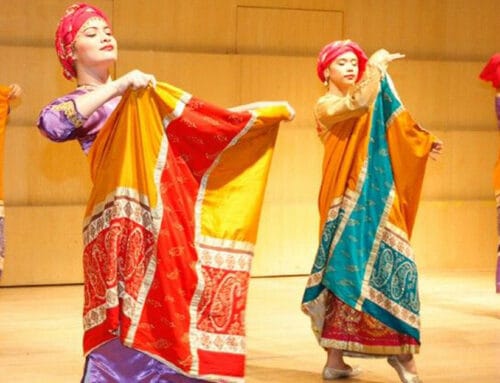
Traditionally, Singkil was performed by young women of noble birth. Their movements are refined and controlled, reflecting both aristocratic upbringing and cultural discipline. Every gesture—whether a subtle turn of the wrist or a precise placement of the foot—communicates grace and mastery. These movements do not exist merely for beauty; they embody the virtues associated with Maranao femininity: poise, modesty, and strength of character. Throughout the performance, the dancer is not simply enacting a scene—she is becoming Princess Gandingan, carrying the weight of ancestral symbolism with every step.
Complementing the princess’s dance are the bamboo pole operators, often male performers or attendants. Their synchronization determines the pace and complexity of the dance. As they rhythmically open and close the poles, they create a shifting landscape through which the princess must move with precision. The clapping rhythm of the poles echoes the tension between danger and harmony. It is this dynamic landscape that gives Singkil its dramatic character, turning a simple dance into a compelling narrative of agility, timing, and symbolic survival.
In many modern interpretations, the role of Prince Bantugan—another key character from the Darangen—is added to the performance. His presence brings an additional layer of storytelling, as he is often depicted as guiding or protecting the princess through her perilous journey. While not part of the oldest documented versions of Singkil, this adaptation has become widely accepted in cultural showcases, adding theatrical depth and visual contrast.
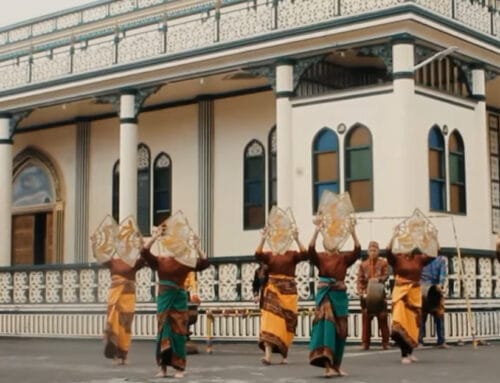
Over time, Singkil has evolved into one of the Philippines’ most recognizable cultural presentations. Cultural troupes, universities, and performing arts groups have adopted and adapted it—some introducing vibrant fans, larger ensembles, or choreographic flourishes. Despite these creative variations, the core essence remains intact: Singkil is a dance of epic origins, embodying literary symbolism, movement artistry, and Maranao royal heritage.
Today, Singkil serves as a bridge between the past and the future. For many Maranao communities, performing it is an affirmation of cultural pride and continuity. For audiences unfamiliar with Maranao traditions, Singkil becomes a powerful entry point—offering a glimpse into the beauty, depth, and sophistication of Lanao’s artistic legacy.
The dance also reinforces the Maranao aesthetic philosophy of order, flow, and balance, reflected in both music and visual movement. As the bamboo poles snap closed and open again, the dancer’s sustained elegance illustrates the harmony between stability and change. This balance is at the heart of Maranao artistic expression.
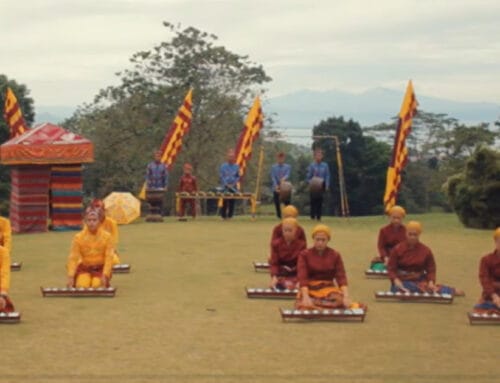
Whether performed with live kulintang accompaniment or set on a modern stage, the Singkil continues to captivate viewers with its blend of storytelling, technical brilliance, and cultural resonance. It stands as a testament to Maranao creativity, endurance, and identity—an irreplaceable jewel shaped by centuries of epic tradition.
Embedding a YouTube performance here allows readers to fully appreciate the precision, drama, and grace of this extraordinary dance.