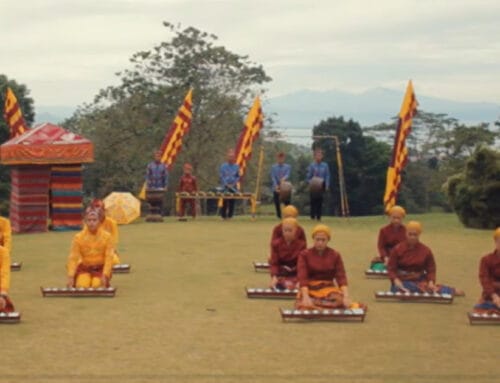
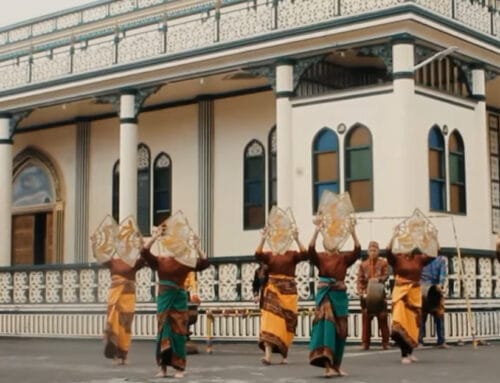
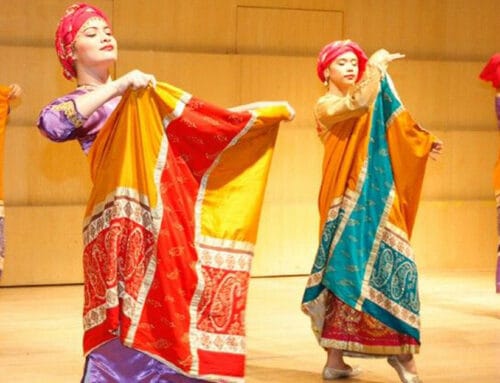
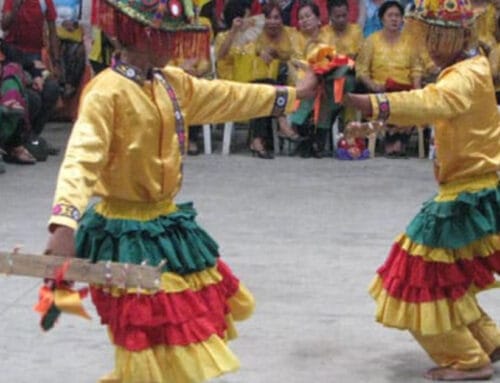
🎼 There is a certain magic that rises when a kulintang ensemble begins to play. The soft metallic tones, the steady heartbeat of the dabakan, and the shimmering conversations between gongs create a soundscape that feels both ancient and alive. For the Maranao people, the kulintang is more than music—it is memory, identity, and community woven into rhythm.
🎵 At the center is the kulintang—a row of knobbed gongs laid horizontally, each one struck to form melodic patterns. Beside it stands the agong, responding with deep, resonant pulses. The gandingan adds a distinct voice, often referred to as the “talking gongs,” while the dabakan and babandil complete the ensemble’s heartbeat. Together, they form a musical dialogue that has echoed across Lanao for generations.
✨ Kulintang music is traditionally played during gatherings, weddings, visitations, and moments of celebration. It signals respect, hospitality, and cultural pride. The melodies may seem improvised, yet each performer follows a shared vocabulary of patterns passed down through family lines and master artists. In many communities, the ability to play the kulintang was once a marker of refinement and cultural literacy—especially for young women who showcased grace, discipline, and artistry through their performance.
📜 Beyond entertainment, kulintang music is a living archive. Its rhythms reflect the Maranao worldview—order, unity, flow, and balance. Each strike of the gong honors a heritage that survived colonization, migration, conflict, and modern pressures. Today, preserving and celebrating kulintang performance is an act of cultural continuity, ensuring that the “sound of the ancestors” remains vibrant for future generations.
🎥 Below is a featured kulintang performance, a glimpse into the timeless energy of this musical tradition. Watch how each musician listens, responds, and moves with the shared rhythm. Even without words, the music speaks — of home, history, and the enduring beauty of Maranao culture.
👉 As you watch, notice the interplay between melody and rhythm. Notice how the performers almost converse through the gongs. This is kulintang: not just music, but a living cultural dialogue.